
Refrigerated Tables: Types, Specifications, and Areas of Use


Refrigerated tables (also known as counter refrigerators) play a crucial role in professional kitchen equipment and are divided into various types, such as pastry refrigerators, salad refrigerators (salad bars), and display refrigerators. This diversity ensures a combination of food storage and preparation, making them an ideal choice for restaurants, cafes, pastry shops, and other food establishments. In this blog, we will discuss the types of refrigerated tables, their specifications, areas of use, and what to consider when choosing them.
Table of Contents
Types of Refrigerated Tables and Their Overview
The variety and functionality of refrigerated tables allow them to be tailored to different needs. Let’s examine their main types:
Confectionery refrigerators
Pastry refrigerators are primarily used for storing cakes, pastries, and other confectionery products. Their use is particularly important for pastry shops and cafes, where food quality and freshness are crucial. Pastry refrigerators provide constant temperature, which contributes to the long-term usability and quality preservation of food. These refrigerators often have shelves of various sizes to ensure proper placement of all products. Additionally, modern pastry refrigerators are equipped with automatic defrosting systems, ensuring easy maintenance and hygiene.

Salad Bars and Salad Refrigerators
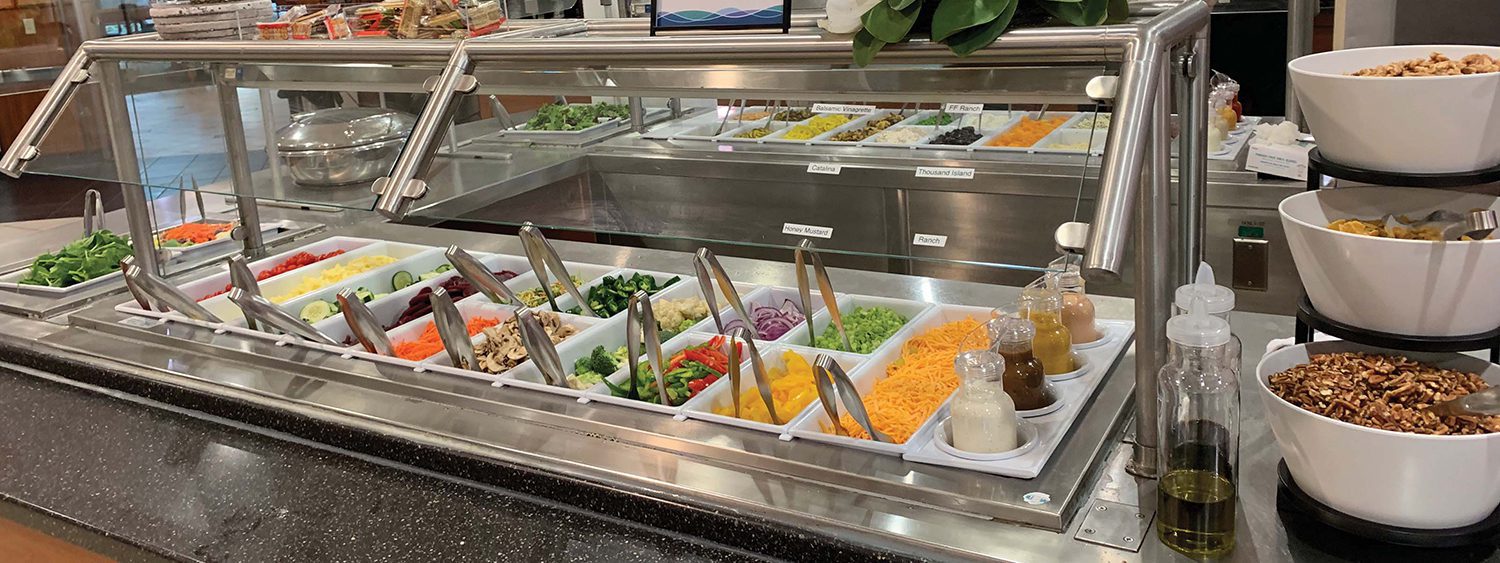
Salad bars and salad refrigerators are designed for preparing and storing salads, vegetables, and other ingredients. These refrigerators provide constant and appropriate temperature for the ingredients stored inside, which helps maintain their freshness and flavor. They are often used in restaurants, fast food establishments, and hotels where salad preparation and serving occur regularly. Salad refrigerators are often equipped with containers that are easily accessible to chefs and service staff, which helps optimize the work process.
Display Refrigerators
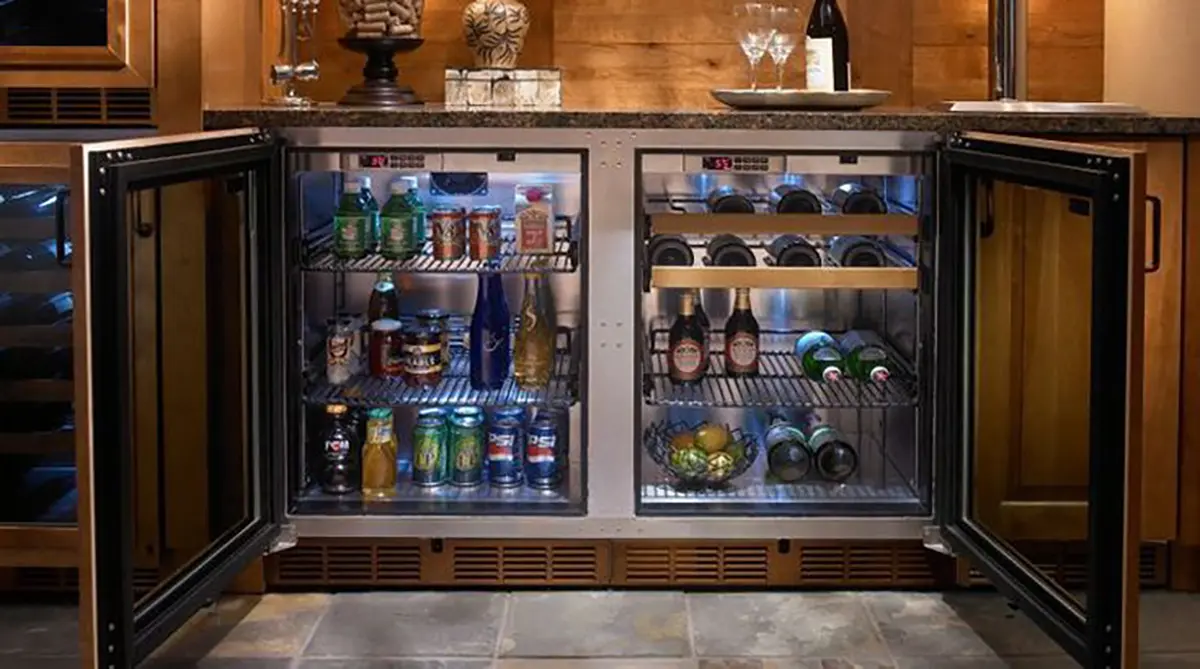
Display refrigerators are primarily used for showcasing products and attracting customers’ attention. They are particularly popular in cafes, pastry shops, and bar establishments where visual presentation of products is important. Display refrigerators have a transparent door, allowing customers to directly view the products stored inside. These refrigerators are often used to display ready-made food, desserts, and beverages, which helps to interest customers and facilitate quick decision-making. Additional features such as lighting and adjustable shelf height provide more comfort for users.
Specifications and Technical Characteristics
The specifications of refrigerated tables include the following characteristics that make them more effective and beneficial for users:
- Temperature Regulation: Refrigerated tables have temperature regulation capabilities, which is important for meeting the needs of various products. Temperature control ensures food safety and maintains freshness. Modern refrigerator models are equipped with electronic control systems, allowing users to easily and accurately set the desired temperature.
- Capacity and Dimensions: Refrigerated tables are available in various sizes and capacities, allowing users to choose according to their kitchen or establishment needs. For example, small-capacity refrigerators are ideal for small cafes, while large-capacity models are used in restaurants and hotels. Choosing the right capacity plays a crucial role in ensuring the refrigerator’s efficiency and usefulness.
- Energy Efficiency: Modern refrigerated tables consider energy efficiency, which significantly reduces energy costs and increases the device’s utility. Energy-efficient models help reduce electricity expenses while also protecting the environment. The energy efficiency of refrigerators is assessed by their class (A, A+, A++, etc.), indicating how economical the device is.
- Material Quality: Refrigerators are made of high-quality stainless steel, ensuring their durability and long-term use. This material is also easy to clean, making it desirable for maintaining high hygiene standards. The stainless steel construction also ensures the device’s resistance to corrosion, which is particularly important when used in wet environments.
- Additional Features: Some refrigerated tables are equipped with additional features such as automatic defrosting systems, LED lighting, automatic temperature regulation, and adjustable shelves. These features contribute to easier and more comfortable use of the refrigerator in daily operations.
Areas of Use
Refrigerated tables are used in various ways in different food establishments, restaurants, cafes, hotels, and pastry shops. Their main advantages are functionality, compactness, and the ability to visually display products. Refrigerated tables are ideal for those who want to ensure high standards of food storage while offering visually appealing products to customers.
For example, pastry refrigerators are used to store and visually present cakes and pastries, ensuring customer interest and maintaining product freshness. Salad bars and salad refrigerators ensure the preservation of ingredient freshness and allow for long-term use, which is important for restaurants and fast food establishments. Their adaptability makes it possible to prepare salads quickly and easily, which helps improve service quality.
Display refrigerators are ideal for presenting products and attracting customer attention, which significantly increases sales figures. They can be used to display ready-made food, as well as beverages, desserts, and other products. This is particularly important for establishments that rely on customers’ visual perception and quick decision-making.
Refrigerated tables, which include types such as counter refrigerators, pastry refrigerators, cake refrigerators, salad refrigerators, salad bars, and display refrigerators, are important and multifunctional components in professional kitchen equipment. Their selection and use depend on specific needs and the type of establishment, but all of them ensure the preservation of food freshness, quality, and visual presentation, which is important for ensuring customer satisfaction and business success.
-
 საკონდიტრო ნამცხვრის მაცივარი GN-200L2860,00 ₾
 -
საკონდიტრო ნამცხვრის მაცივარი GN-160L1980,00 ₾
-
საკონდიტრო ნამცხვრის მაცივარი GN-120L1640,00 ₾
-
ნამცხვრის ვიტრინა მაცივარი GN-98L1460,00 ₾
-
ნამცხვრის ვიტრინა მაცივარი GN-280L2470,00 ₾
-
ნამცხვრის ვიტრინა მაცივარი GN-235L2210,00 ₾
-
საკონდიტრო ნამცხვრის მაცივარი GN-100R1720,00 ₾
-
საკონდიტრო ნამცხვრის მაცივარი GN-475Z5960,00 ₾
-
საკონდიტრო ნამცხვრის მაცივარი GN-375Z5340,00 ₾
-
საკონდიტრო ნამცხვრის მაცივარი GN-570Z5980,00 ₾

This blog will help you better understand the role of refrigerated tables, the benefits of their use, and how to choose the right model for your business. Choosing the right refrigerator is one of the most important steps in creating a successful establishment and ensuring its effective operation. Don’t forget the importance of energy efficiency, material quality, and additional features, as these characteristics determine the refrigerator’s usefulness and longevity.