
Opening a Shawarma Shop: What should We Know?


In the fast-food industry, shawarma shops are among the most in-demand businesses. People daily search for quick, delicious, and affordable food, making shawarma an ideal choice. However, a good recipe alone is not enough – a successful shawarma business requires a well-thought-out business model, strategic planning, and effective management. In this article, we will discuss in detail how to open and develop a successful shawarma shop.
Table of Contents
1. Market Research and Business Plan Development
Market Analysis: Before starting the business, you need to analyze the competitive environment. Determine customer demands, which zones have the highest activity, and what unique offerings you can provide.
Key Factors:
- Customer Preferences – Do they prefer chicken, beef, or vegetarian shawarma?
- Seasonality – Offering frozen drinks in summer could be profitable.
- Competition – What makes competitors special and how can your business stand out?
- Pricing Strategy – Setting prices that are accessible to customers while remaining profitable.
Business Plan Development: It’s important to have a clear plan that outlines:
- Initial investment,
- Expenses (equipment, rent, salaries, marketing),
- Expected revenue and profit margins,
- Future development strategy.
2. Location Selection
How to Choose the Best Location? Location determines your customer base. High-traffic areas near universities and business centers are the best choice.
What Should Be Considered?
- Assessment of pedestrian and vehicle traffic flow.
- Competitive environment – if there are already many shawarma shops in the area, how will you stand out?
- Accessibility – easy access for customers.
- Parking space availability – additional comfort for vehicle owners.
3. Legal Procedures and Licensing
Before opening the business, it’s important to complete the following legal processes:
- Business Entity Registration – Registration is possible as an individual entrepreneur or LLC.
- Food Safety Standards Compliance – It’s essential that the establishment meets sanitary requirements.
- Tax Registration – Regular accounting and compliance with legislation is mandatory.
- Employment Contracts – Protecting employee rights and legal stability.
4. Equipment and Necessary Inventory
What Equipment Will You Need?
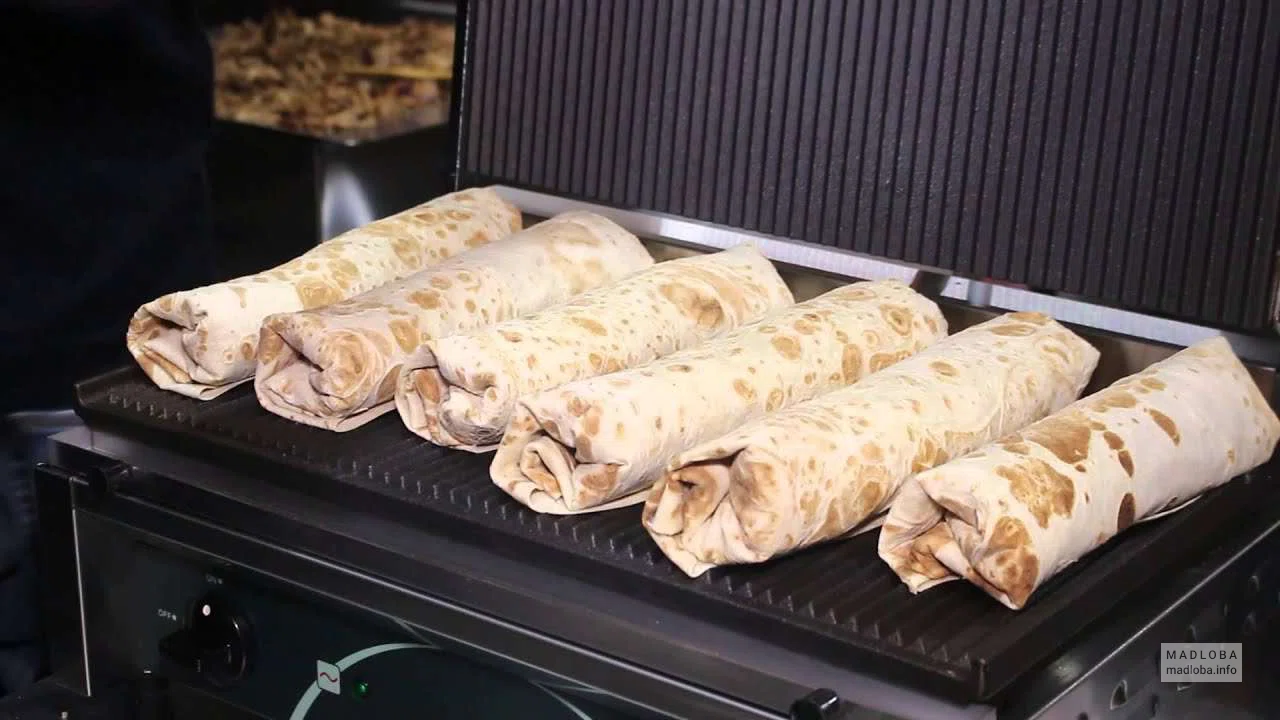
- Shawarma Grill – Gas, electric, or charcoal-powered machines.
- Refrigerators and Freezers – For maintaining ingredient cleanliness and shelf life.
- Kitchen Equipment – Knives, cutters, grease-resistant surfaces.
- Point of Sale – Cash register or digital payment terminal.
- Air Ventilation System – For improving hygiene and working conditions.
5. Selecting Ingredients and Suppliers
Quality Determines Success. High shawarma quality depends on ingredients. It’s recommended to work with local and reliable suppliers who will regularly provide products.
Essential Ingredients:
- Meat – chicken, beef, pork, or vegan alternatives.
- Flatbread – soft, fresh, and elastic.
- Sauces – unique recipes that will distinguish your brand.
- Vegetables – fresh and well-washed daily.
- Additional ingredients – cheese, mushrooms, hot peppers, or other menu elements.

6. Staff Selection and Training
What Should Be Considered?
- Cooks and helpers should be professionals or quick learners.
- Service staff must be able to interact with customers.
- Cleanliness and sanitary standards are a priority.
- Motivational Programs – Employee motivation and work quality improvement.
7. Marketing and Advertising
How to Reach Customers?
- Social media marketing (Facebook, Instagram, TikTok) – photos, videos, customer reviews.
- Local advertising – banners, flyers, and local media advertising.
- Loyalty programs – bonuses and discounts for regular customers.
- Influencer Collaboration – The best way to increase awareness.
8. Operational Management and Development Strategy
What Should You Do Daily?
- Product quality and cleanliness control.
- Cost and revenue optimization.
- Adding new menu items according to customer demand.
How to Develop the Business?
- Partnership with delivery services (Glovo, Wolt, Bolt Food).
- Opening branches after identifying successful locations.
- Exclusive menu and limited-time offers.
- Franchising Model – Opportunity to expand a successful concept.
Opening a shawarma shop is just the first step – achieving success requires continuous development, maintaining quality, and proper customer communication. A well-planned business, correct marketing approach, and unique product will significantly increase your shawarma shop’s popularity.