
Processing of various types of dough: khinkali press, pizza cutter, pasta extruder


In professional kitchens, especially for food establishments that focus on baked goods (khinkali, pizza, pasta, etc.), the final product quality and production efficiency directly depend on the dough processing process.
Manual dough processing is associated with several major challenges: inconsistent quality, high time and labor costs. The way to solve these problems is to automate the kitchen and introduce specialized equipment.
Professional dough machines ensure process optimization, increased productivity, and reduced costs. However, choosing the right equipment requires knowledge, as a khinkali dough press, pizza dough sheeter, and pasta extruder are designed for fundamentally different tasks.
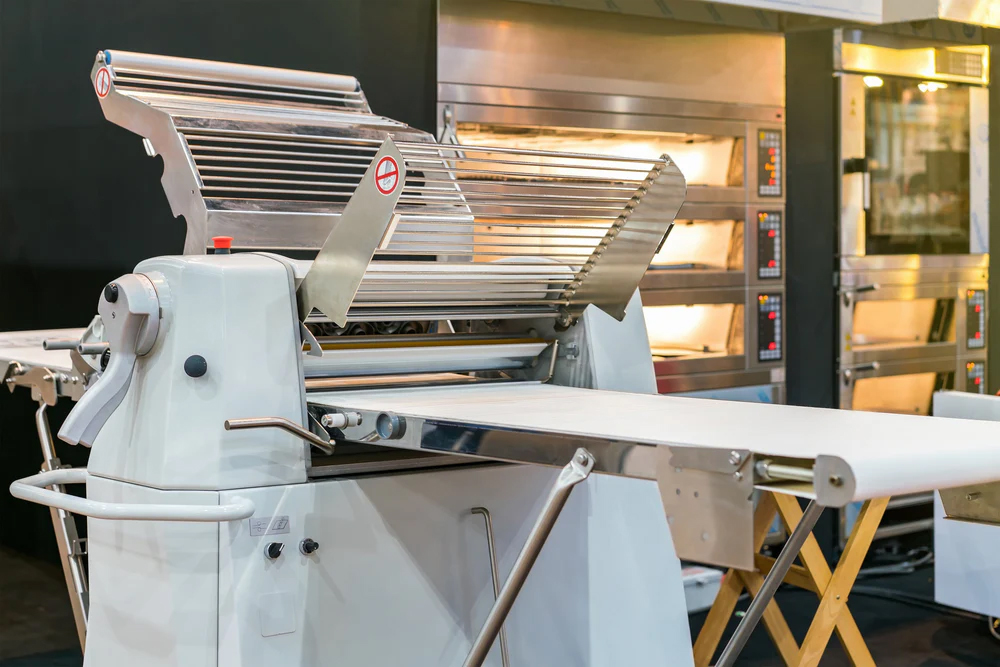
This guide will take a detailed look at the main types of dough processing equipment and help you select the optimal equipment for your business.
The main advantages of dough processing automation
Using a professional dough sheeter or extruder has several tangible advantages:
- Quality consistency: Automated equipment ensures that each dough sheet or pizza base has an identical thickness and texture. This eliminates the human factor and ensures consistent product quality at any time of the day.
- Increased productivity: Machines can process a much larger volume of dough per hour than is possible with manual labor. This frees up personnel to work on other production stages.
- Economy: Operating the devices does not require highly skilled personnel and reduces the need for manual labor, which directly affects labor costs.
- Hygiene and standards: Most professional equipment is made of stainless steel. This makes them easier to clean, reduces manual contact with the dough, and helps the catering establishment comply with food safety (HACCP) standards.
Selecting a machine based on dough specifications
The main criterion when choosing a machine is the type of dough to be processed.
1. Dense and elastic dough (e.g. khinkali)
Target machine: Khinkali dough press (heavy-duty dough roller)
Technical challenge:
Khinkali dough is distinguished by its high density and elasticity. In order for it to maintain its structure and not be damaged during cooking, it requires multi-stage and careful rolling under high pressure. Manual labor in this case requires extremely high resources.
Technical solution:
High-capacity, specialized khinkali dough press.
Main technical parameters:
- Power: High-power models are recommended that can withstand continuous use when working with dense dough.
- Construction: Solid floor-standing construction that ensures machine stability and reduces vibration.
- Roller width: Wide rollers allow for processing large sheets of dough, which increases productivity.
- Thickness adjustment: A wide range of thickness adjustment is essential for gradually thinning the dough without damaging its structure.
2. Soft and airy dough (e.g. pizza, lavash)
Target machine: Pizza dough roller
Technical challenge:
Pizza dough is soft and airy. The main task is to quickly and accurately form (flatten) the dough into a round base, without damaging the dough structure and expelling air bubbles.
Technical solution:
A specialized pizza dough roller, often equipped with two pairs of rollers for fast and precise shaping of the dough.
Main technical parameters:
- Diameter range: The machine must cover the diameters of the pizzas on the menu (e.g. 20 to 40 cm).
- Precise thickness adjustment: essential for preparing different styles of pizza crusts (e.g. thin or thick).
- Construction: Typically, these are compact, tabletop models.
- Safety: The device must be equipped with protective mechanisms for the safety of the operator.
3. Pasta (macaroni)
Target machine: Paste extruder
Technical challenge:
Producing the paste on site is a laborious process that involves kneading the dough, rolling it out, and cutting it.
Technical solution:
Paste extruder (paste making machine). This is an “all-in-one” type device that automates the complete paste production cycle.
Main technical parameters:
- Functionality: Models that have both dough kneading and extrusion (shaping) functions are preferred.
- Variable dies (cutters): The ability to use dies of different shapes allows for the production of a wide range of pasta (spaghetti, penne, fettuccine, etc.).
- Housing material: Stainless steel housing ensures durability and compliance with hygiene standards.
- Productivity: The productivity of the machine (kg/hour) must meet the requirements of the restaurant.

OSIMO-40 Dough Roller
1120,00 ₾

Practical tips for selecting equipment
Before making a final decision, analyze the following factors:
- Core product: Determine which product is a priority for your business. Focus on a specialized machine (e.g. a khinkali press for khinkali) rather than a universal model.
- Capacity requirement: Estimate how much dough you need to process during peak hours. This will determine the capacity required.
- Kitchen space: Consider the available space. Floor-standing models are more powerful, but take up more space than tabletop models.
- Power supply: Check the technical requirements of the device (voltage, power in kW) and their compatibility with the electrical network of your facility.
- Maintenance and operation: Choose a model that is easy to disassemble and clean, which saves time and ensures hygiene.
A properly selected professional dough machine is a rational investment for a food business. It reduces dependence on the human factor, ensures consistent product quality, increases kitchen operational speed, and helps reduce production costs.
Automation is an effective way to operate a stable and profitable business, whether it’s producing khinkali, pizza, or pasta.
Browse our catalog of professional dough equipment or contact us for a consultation. Our specialists will help you select the equipment that best suits your business needs.