
Energy Efficiency of Restaurant Kitchen Equipment: how to Reduce Costs and Increase Productivity


Energy efficiency is a crucial factor in the operational success of modern restaurants. High energy costs directly impact business profitability, while inefficient equipment leads to excessive expenses and environmental damage. In this article, we’ll discuss how to reduce energy costs and increase productivity in restaurant kitchens using energy-efficient equipment.
Table of Contents
The Importance of Energy Efficiency in the Restaurant Industry
High energy consumption in food establishments is caused by intensive kitchen equipment operation. Traditional equipment often wastes energy inefficiently, leading to excessive costs and environmental pollution. Investing in energy-efficient equipment not only reduces expenses but also promotes environmental protection and improves operational processes.

Impact of Energy Costs on Overall Budget
Energy cost is one of the main budgetary components in a restaurant’s expenses. Using inefficient equipment means high utility bills. Implementing energy-efficient technologies can reduce electricity, water, and gas costs.
Advantages of Energy-Efficient Equipment
1. Reduction in Energy Costs
Energy-efficient kitchen equipment uses less energy, directly reducing electricity bills. For example, inverter compressors in refrigerators consume 30-50% less energy.
2. Reduced Environmental Impact
Energy-efficient devices produce lower carbon emissions, contributing to a cleaner environment.
3. Extended Equipment Lifecycle
Energy-efficient equipment often features high-quality materials and technologies, ensuring longer operation and reduced repair costs.
Comparisons and Examples
Energy-Efficient vs. Traditional Refrigerator
In restaurant kitchens, refrigerators are one of the most energy-consuming appliances, making the right choice critically important. Energy-efficient inverter refrigerators use variable-speed compressors that regulate energy consumption based on load. They consume 30-50% less electricity, maintain stable temperatures, and reduce compressor wear.
On the other hand, traditional refrigerators operate at constant speeds, resulting in excess energy consumption, especially when trying to quickly restore temperature after door openings. Although they may be cheaper initially, their long-term costs are significantly higher, reflected in both electricity bills and maintenance costs.
Induction Cooktop vs. Gas Stove
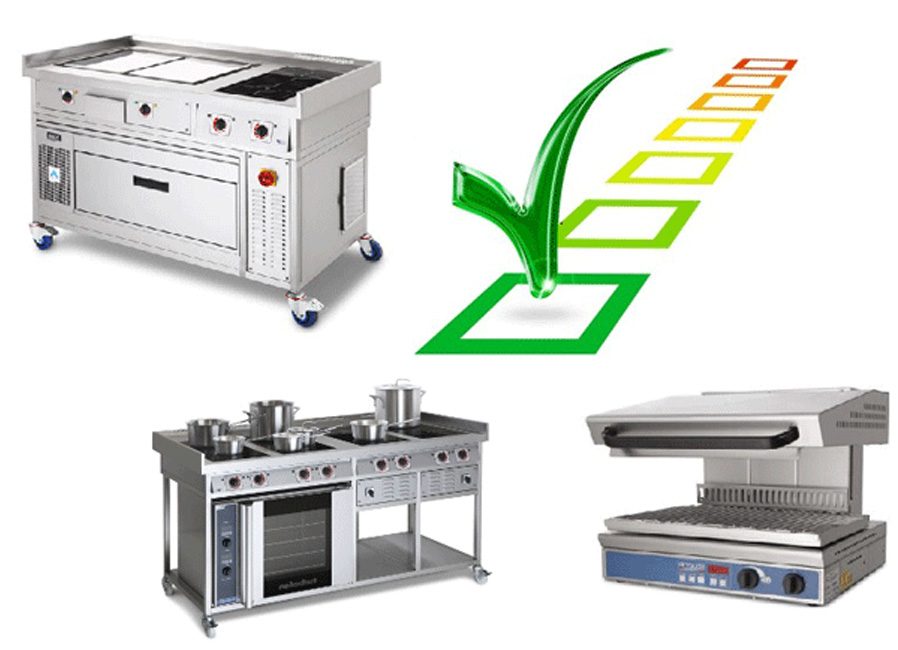
When choosing cooktops, it’s important to consider their energy efficiency and operational costs. An induction cooktop is one of the most efficient choices as it generates heat directly in the cookware, utilizing over 90% of energy efficiently. As a result, the kitchen stays cooler, and cooking time is reduced.
A gas stove has the advantage of quick adjustment, however, it is much less efficient. Approximately 40-50% of energy is lost to the environment with gas stoves, increasing both gas costs and kitchen cooling needs. Additionally, gas stoves require constant gas supply, which sometimes creates additional safety concerns.
Convection Oven vs. Traditional Oven
Convection ovens are equipped with fans that distribute hot air evenly, resulting in faster and more uniform cooking. This reduces cooking time by up to 25% and decreases electricity consumption by 15-20%.
On the other hand, traditional ovens distribute heat only through bottom and top heating elements, resulting in uneven heating and longer cooking times. This means more energy is consumed and frequent temperature adjustments are needed, further increasing electricity costs.
Selection Criteria for Energy-Efficient Equipment
1. Energy Efficiency Certificates and Standards
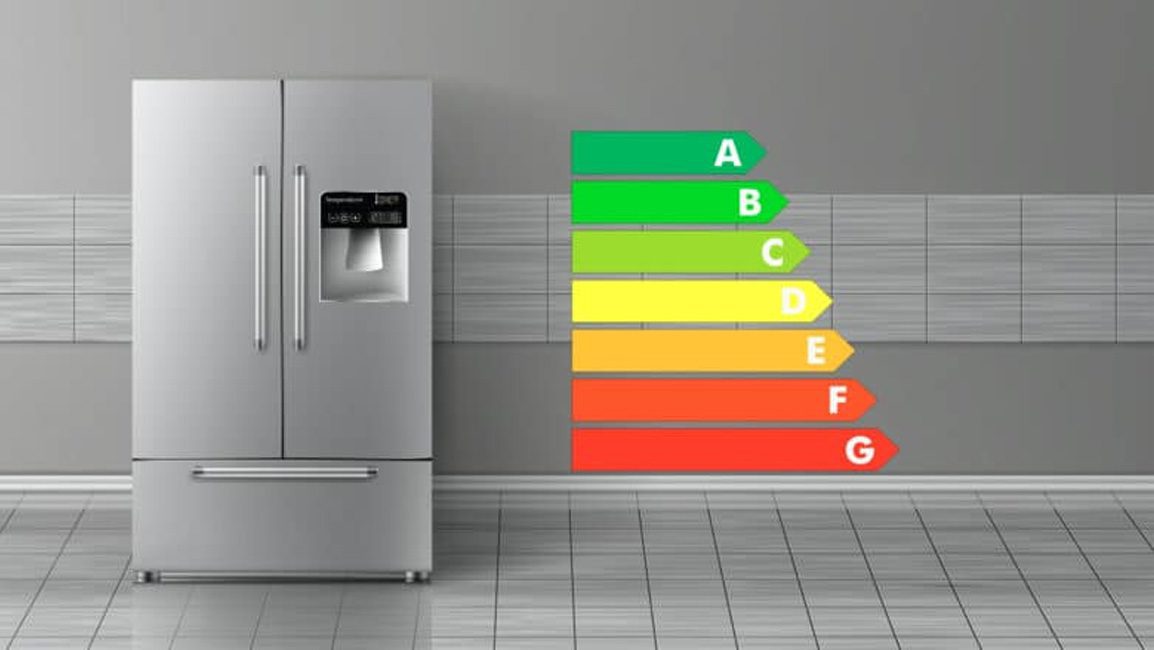
Choose equipment that has ENERGY STAR or similar certifications, which verify their energy efficiency.
2. Equipment Size and Power
For kitchen optimization, it’s essential to use equipment of the right size and power to avoid excessive energy consumption.
3. Multifunctionality and Automation
Modern kitchen equipment is equipped with energy-saving features such as automatic shutdown and optimal energy management.
Equipment Comparison – Energy Efficiency Characteristics
Energy-Efficient Kitchen Equipment Comparison
| Equipment | Energy Consumption (kWh) | Energy Efficiency Classification |
|---|---|---|
| Inverter Refrigerator | 1.2 | ENERGY STAR |
| Induction cooktop | 2.0 | High Efficiency |
| Convection oven | 3.5 | Medium Efficiency |
| Gas Stove | 4.0 | Low Efficiency |
Practical Energy Saving Tips
1. Regular Equipment Maintenance and Cleaning
Regular maintenance of kitchen equipment ensures optimal operation and prevents excess energy consumption.
2. Optimal Temperature Management
Refrigerator and freezer temperatures should be adjusted to needs to avoid excessive energy consumption.
3. Turning Off Equipment During Idle Times
Turning off inactive equipment or using energy-saving modes will significantly reduce costs.
Payment and Subsidies Review – are Financial Benefits Available?
Currently, government subsidies and grant programs are often available for purchasing energy-efficient equipment. For example:
- Grant funding – Available from government or non-governmental organizations.
- Subsidized loans – For purchasing energy-efficient equipment.
- Tax benefits – For companies participating in energy-saving programs.
Investments in Energy Efficiency Improvements
1. Using LED Lighting
LED bulbs for kitchen lighting consume less electricity and have a longer lifecycle.
2. Implementation of Energy Monitoring Systems
Energy consumption monitoring systems allow restaurant managers to control equipment operation and optimally manage energy consumption.
3. Integration of Renewable Energy Sources
Using solar panels and other renewable energy sources represents significant long-term savings for restaurants. Energy efficiency strategies will significantly reduce restaurant costs and increase operational efficiency in the long term. Proper selection of energy-efficient equipment and practical energy management methods will allow restaurants to optimize resource use and protect the environment.